Author: bherreraBKDTS

Space-Saving Design Tips for Single Wide Mobile Homes

Living in a single wide mobile home doesn’t mean you have to feel boxed in. With a few smart design moves, you can make your space feel open, organized, and more comfortable. Whether you’re downsizing, setting up your first home, or just trying to get more use out of every square foot, planning how you use the space can make a big difference.

In Albuquerque, where local styles and climate can influence your layout choices, it helps to think about both form and function. When every corner counts, staying intentional about furniture, storage, and layout can keep your home feeling uncluttered without losing your style.

Maximizing Vertical Space

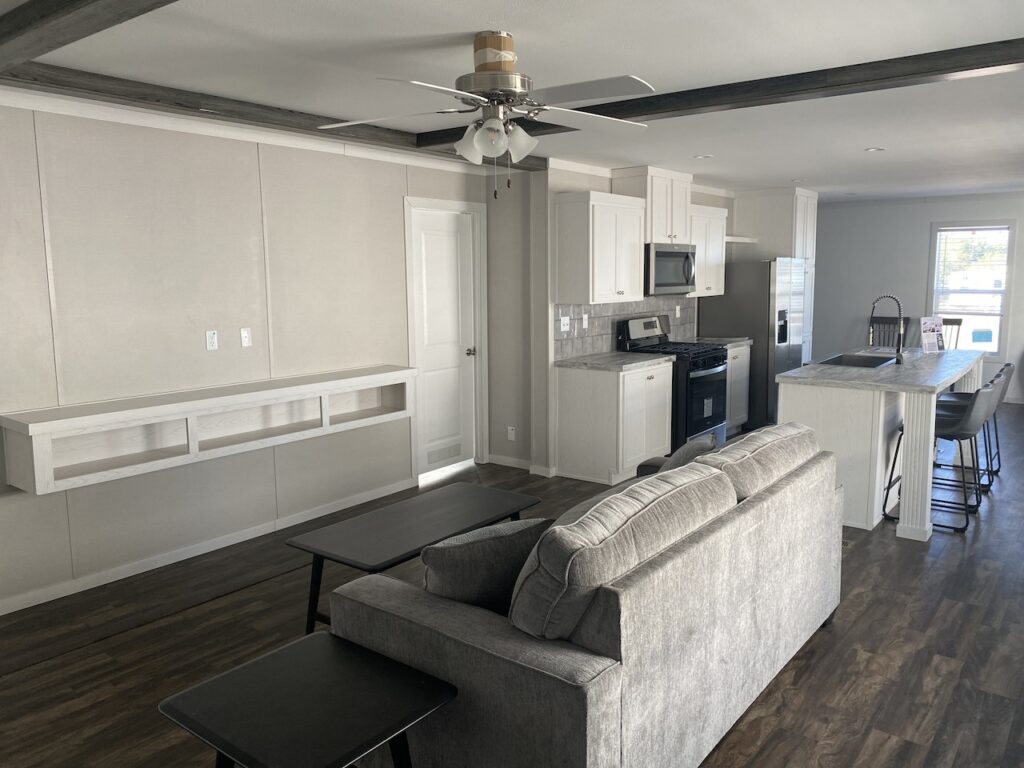
In a single wide setup, floor space is just part of the picture. It’s easy to forget how much room you have going up, especially when things feel tight. Taking advantage of your walls and ceiling height can give you more breathing room without expanding your home’s footprint.

Here’s how to get smart about your vertical space:

  • Use wall-mounted shelves instead of bookcases. They free up your walking area and add easy-to-reach storage for everyday items like dishes, books, or keys.
  • Install hooks, racks, and pegboards for coats, kitchen tools, and even cleaning supplies. A hanging rack behind the bathroom door is a simple fix for limited closet space.
  • Think upward with your beds. Lofted bed frames or platform beds with built-in drawers open up room underneath for bins, baskets, or even folding desks.
  • Add cabinets above eye level. If your kitchen or living room wall stops short of the ceiling, consider building upward. It’s one of the best places for long-term storage.

Place larger or less-used items up high, and keep your daily essentials at a reachable level. This way, you maintain access without letting stuff pile up on the floor or surfaces.

Multi-Functional Furniture

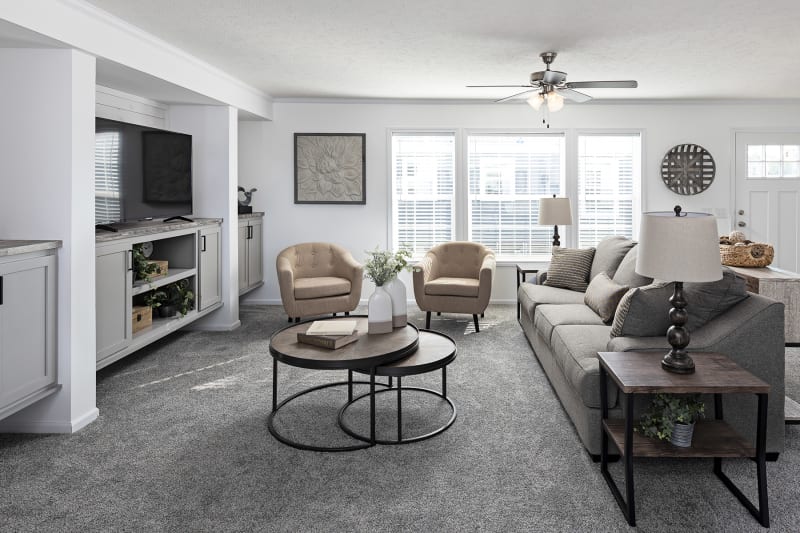
When living space is limited, your furniture should work harder for you. Choosing the right pieces can reduce clutter and boost the feel of openness in your home.

The goal is to find furniture that serves more than one purpose. That way, you don’t waste square footage on bulky, unnecessary items. For example, a bench with hidden storage can serve as a seat, a side table, and a spot to stash extras. Same goes for a bed frame with built-in drawers or a coffee table that extends into a desk or dining surface.

Some other helpful options include:

  • Foldable wall-mounted tables that tuck away when you’re done eating or working.
  • Sleeper sofas or pull-out chairs that create extra sleeping space without needing another room.
  • Ottomans that double as storage boxes or extra seating.

When setting up your furniture, try to keep foot traffic in mind. Leave enough space to move easily around each area of your home. Tighter layouts might feel neat at first, but they often get in the way of daily routines. Think of one change at a time to avoid crowding your rooms with too many pieces.

One local homeowner in Albuquerque mentioned how swapping their bulky dining table for a wall-mounted drop-leaf version opened up the kitchen while still giving them enough space to share meals. Little switches like this can have a big impact on how your home feels.

Smart Kitchen Solutions

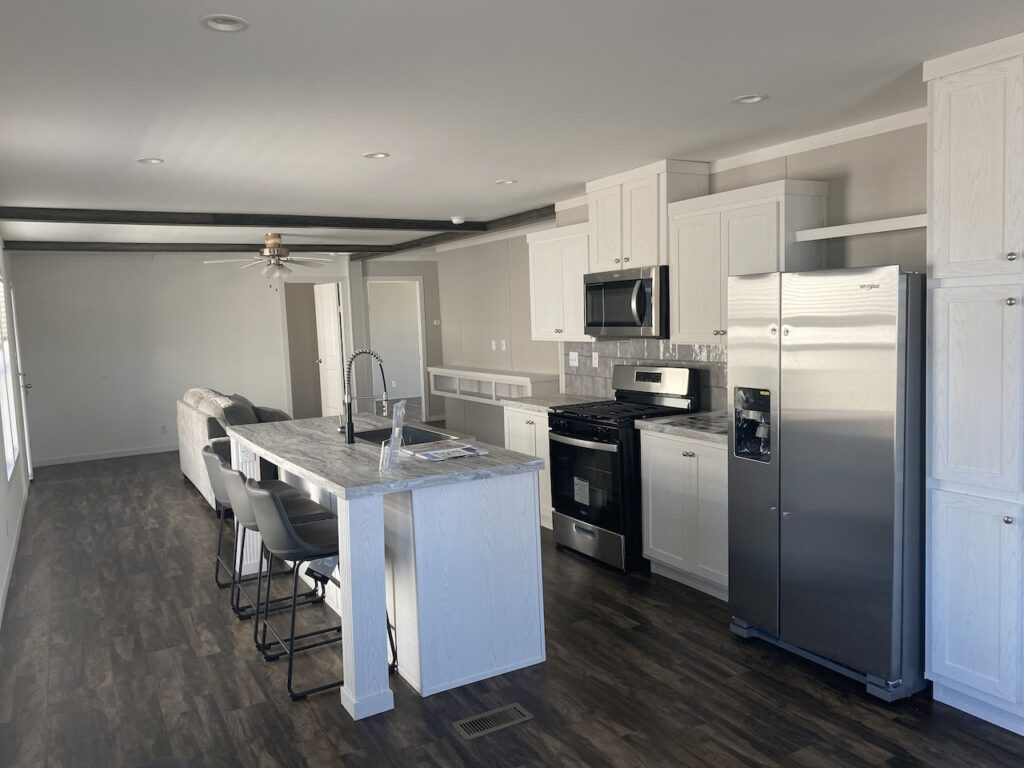
Your kitchen is one of the busiest spots in a mobile home, so finding smart ways to manage the space can make a big difference in your daily flow. You don’t need a giant pantry or a long stretch of counter space to stay organized. What you do need is to use what you already have a little differently.

Start by looking into compact appliances. Smaller dishwashers, slim stoves, and single-door refrigerators can offer everything you need while freeing up a lot more room. If you’re designing from scratch or doing any upgrades, look for models made for smaller living spaces. Some even tuck under counters or slide into corners you may have otherwise skipped over.

Storage is where the real magic happens. Think beyond cabinets and use every nook. Here are a few kitchen ideas to help take pressure off your counters and drawers:

  • Install pull-out pantry shelves. They make canned goods, dry items, and spices easier to access without wasting deep cabinet space.
  • Use magnetic strips on the wall to hold knives, tools, or spice jars.
  • Add tiered organizers inside cabinets to double your shelf space.
  • Add baskets under hanging cabinets for fruits, veggies, or dish towels.
  • Use the top of your fridge for large mixing bowls or small appliances you don’t use every day.

One Albuquerque homeowner solved their limited prep space by installing a rollout cutting board over a shallow drawer. When not in use, it slides back into place, keeping the area open and tidy. Small tricks like this go a long way in a single wide kitchen, especially when you’re trying to prep, cook, and clean in a tight loop.

Outdoor Living Spaces

When you run low on indoor space, the outdoors can be a natural extension of your home. Albuquerque’s mild September weather makes it the perfect time to think about how to use outdoor areas for more than just looks.

Adding usable features to a porch, yard, or even a small patio can boost your living room or dining area without knocking down any walls. The key is to keep it functional, comfy, and manageable.

Some simple ways to open up your outdoor space include:

  • Folding tables and stackable chairs for added seating that’s easy to store when not needed.
  • A weather-safe storage bench that doubles as a spot to relax.
  • Vertical planters that line a fence or wall to keep gardening off the ground and out of your walking area.
  • A shade structure like a pergola or umbrella, especially for sunny afternoons.
  • String lighting or solar lamps to help the space feel more like an actual room without flipping a single switch.

You don’t need a huge backyard to expand your home. Even a small deck or fenced area can give you room to enjoy a morning coffee, sit down for dinner, or free up indoor areas with a little bit of setup.

Make the Most of Your Single Wide Home

Living in a single wide mobile home means learning how to use space differently. With the right layout choices and furniture, every inch can carry more weight without adding stress to your daily routine. Vertical storage opens up floor space, furniture with more than one purpose saves square footage, and the kitchen transforms when you work smarter with flow and storage. Top it all off with outdoor ideas and now you’ve got room to breathe.

What you do inside your walls matters, but so does knowing when to reach outside of them for help. Getting professional help during the planning stages of your mobile home setup can save you from unnecessary fixes down the line. Whether it’s help choosing the right layout, selecting furniture, or coming up with easier systems, having the right support can make your space work harder with much less effort.

If you’re looking to transform your single wide space even more, or if you’re ready to explore different configurations, why not connect with single wide dealers in Albuquerque? Here at NM Country Manufactured Homes, we’re dedicated to helping you find options that blend style with functionality. Discover how you can customize a space that feels truly your own.

Simple Solutions for Double Wide Mobile Home Leveling

Keeping a double wide mobile home level isn’t just about making things look nice. It’s about making sure everything functions the way it should. Over time, homes can settle unevenly, especially if the soil underneath starts to move or wash away. When this happens, it can affect how doors close, how floors feel, and even cause damage to the structure itself. The sooner you catch these leveling issues, the easier they are to fix.

In Albuquerque, where long dry spells are often followed by heavy rains, the soil naturally shifts more than in some other places. That shifting can mess with how the home sits on its supports. You might notice a slight slope in one room, or floorboards feeling uneven when walking from the kitchen to the hallway. These details seem small but usually mean it’s time to take a closer look at how level your home really is.

Signs Your Double Wide Needs Leveling

It’s usually not hard to tell when your home needs leveling. You don’t need special training — just keep an eye out for changes in how your home behaves. Often, the things that stop working smoothly are the clues something is off.

Here are signs to watch for:

  • Floors feel soft, bouncy, or start to slope
  • Interior doors don’t latch, swing shut randomly, or won’t stay closed
  • Cracks appear in the drywall or ceiling, especially at the corners
  • New gaps show up around door and window frames
  • Cabinets, counters, or sinks pull away from the wall

For example, a homeowner in northeast Albuquerque started seeing cracks where the living room ceiling met the wall. Around the same time, their sliding glass door took extra force just to close. After an inspection, they found that one part of the home had dipped, and the uneven pressure was creating stress throughout the rest of the structure.

Letting problems like this sit too long leads to more damage. If you’re noticing several of these issues, your home probably needs leveling.

Tools and Materials Needed

Correctly leveling a double wide takes more than some guesswork and elbow grease. It requires the right tools and a clear plan. Pros bring both with them, which is one reason they get better, safer results. If you want to understand the kinds of tools involved in the process, here’s what it often includes:

  • Water level or laser level to monitor how even the home is
  • Hydraulic jacks to lift specific points of the home
  • Treated wood or plastic shims to take up small gaps
  • Concrete blocks or piers that help carry the weight safely

On the safety side, personal protective gear is key. Gloves, safety glasses, and hard-toe boots go a long way in preventing injuries. Professionals use cribbing blocks and stabilizing tools to keep everything in place during the lifting process, which is critical when working under heavy frames.

Before starting anything, it’s smart to prep the work area. That means removing debris or clutter under the home. Items like rocks, old lumber, or storage boxes can get in the way. A clean work zone makes jobs faster and safer.

Steps to Level Your Double Wide Mobile Home

Leveling a double wide home follows a careful process that’s best done by trained hands. Each move must be done in small steps to protect the structure and make sure adjustments don’t make things worse. Here’s a brief overview of how the leveling process usually goes.

1. Preparing the Site

Get under and around the home and clear out anything that might block access. Large objects, tangled brush, and old debris need to be removed. Ground surfaces should be stable enough for jacks and blocks to rest on safely.

2. Using the Water Level

Levels are placed at different points beneath the structure to measure how far off each section is. The readings help figure out where lifting is needed and which areas remain stable.

3. Adjusting the Support

With the unlevel zones marked, hydraulic jacks are placed under the beams to gently lift those areas. Each lift is small, just enough to bring the home back to even. Time is taken in each step to avoid straining parts of the frame or interior fittings.

4. Placing Shims

After the lifted section reaches the right height, shims are inserted to sit between the I-beam and the block or pier. This makes sure the area remains firm and stable after the jack is removed.

5. Final Checks

A full check is done across all support points and surfaces. Doors are tested, the floors are walked for evenness, and windows and fixtures are checked for new or remaining gaps. If anything is still out of place, another round of minor adjustments may follow.

This process may take longer during tough weather conditions or after major ground shifts. Albuquerque properties can experience more frequent shifting due to dry spells and sudden rain, especially in lots that weren’t leveled well to begin with.

Why Hire Professionals for Double Wide Installation in Albuquerque

These steps might give the impression that leveling is no big deal. But putting this plan into action requires know-how that only comes with education and experience. Getting each part right means less risk and better results.

Professionals don’t just bring fancy tools. They bring a working knowledge of soil conditions, terrain challenges, and how pressure builds or shifts across a wide structure during work. They also understand how one small mistake raising a beam can cause long-term damage to drywall, flooring, or plumbing.

Lifting a home is serious. The structure responds to each adjustment, and the choices made under the home ripple throughout. Proper training helps installers balance precision and safety so the end result is strong and long-lasting.

Helping your home last longer starts with small checkups each year. Choosing experienced help when leveling is needed means fewer surprises and gives you more security. Even everyday signs like tighter doorways or cracked corners can point to deeper issues. Having someone knowledgeable take a look keeps those repair costs from piling up.

Keep Your Home Level and Comfortable

A steady and level home helps everything inside function better. That includes how your cabinets sit, how your floors feel, and even how your windows close during windy days. Regular inspections can prevent future problems by catching small signs early.

Living in a place like Albuquerque means understanding how rain and heat wear on local soil. Our ground naturally moves, which means our homes need more check-ins than those in parts of the country with milder terrain. Simple inspections can keep everything feeling secure underfoot.

At NM Country Manufactured Homes, we’ve seen what happens when things go unchecked. That’s why we offer support that helps double wide homes stay balanced and safe across New Mexico’s unique terrain. Long-term comfort starts at ground level, and keeping your home steady protects your investment for years to come.

Looking for a practical way to keep your home steady year-round? Learn more about how our team handles double wide installation in Albuquerque with care and precision. At NM Country Manufactured Homes, we’re here to help you protect your home from shifting soil and changing weather. Reach out today to get dependable support for a level home you can count on.

Smart Storage Solutions for Your Manufactured Home

Living in a manufactured home offers lots of benefits like affordability and efficiency, but space can sometimes be tight. This is especially true in new manufactured homes in Albuquerque where open floor plans and compact designs are common. Even with smart layouts, clutter can build up fast if you don’t have a solid plan for storage. That’s where thoughtful storage solutions can make a big difference. The goal isn’t just to store stuff but to do it in a way that keeps your home feeling open, tidy, and livable.

Having a good storage setup lets you get the most from your square footage without feeling boxed in. Whether you live alone or with a family, clever storage helps keep daily life organized and stress-free. You don’t need to start with a full home overhaul either. With a few simple adjustments and creative ideas, you can reclaim space you didn’t realize was there and keep your home running smoothly.

Making the Most of Limited Space

If you’re settling into a new manufactured home in Albuquerque, space might feel a little tight at first. That’s totally normal. Manufactured homes are designed to be efficient, so while they often come with smart layouts, you still have to be intentional with how you use the space. Getting creative with storage solutions isn’t just about finding a place to hide your stuff. It’s about making your home feel open and comfortable without sacrificing the things you need.

Start by shifting your mindset from “where can I put this?” to “do I actually use this?” Clutter often comes from holding onto items that no longer serve a purpose, so one of the best ways to create space is to let go of things that don’t bring value.

Here are a few practical tips to maximize space without making your home feel crowded:

  • Go vertical. Install tall shelves or wall-mounted storage in areas like kitchens, bathrooms, and bedrooms. Use stackable bins or baskets to take storage upward instead of outward.
  • Use furniture that pulls double duty. Think beds with drawers underneath, sofas with hidden storage, or coffee tables with shelves. These pieces give you function and storage without taking up extra space.
  • Keep floors clear. Floor space is key in smaller homes. Use hanging organizers, caddies, or floating shelves to keep things off the ground and make rooms feel more open.
  • Use clear containers. When you can see what’s inside a bin or jar, you’re more likely to use its contents and less likely to forget what you already own.
  • Stick to one rule in, one rule out. For every new item that comes into the home, remove one you don’t use anymore. It’s a small habit that can keep clutter from piling up.

It also helps to sort items by how often you use them. Keep daily-use items within arm’s reach and store seasonal or rarely-used things up high or in harder-to-reach places. Being strategic about where things live can make your home feel much more functional.

Creative Closets And Cabinets

Closets and cabinets do a lot of heavy lifting when it comes to storage, but without the right system, they can turn into black holes of clutter. By outfitting them with the right tools, you can make the most of every inch and actually find what you need when you need it.

Start with closets. If all you have is a single hanging rod, you’re wasting a lot of potential. Adding a second rod for shorter items like shirts or folding pants on hangers can instantly double hanging space. Use tiered shelf organizers for shoes or bins for folded items. Hanging organizers on the back of a closet door work great for accessories, cleaning supplies, or smaller items.

In bedroom closets, it helps to sort your clothes by type and season. Keep current-season clothing in plain view and fold or store the rest in bins on higher shelves. Vacuum-sealed bags can also save space for items like blankets or extra bedding.

Cabinets in kitchens, bathrooms, and laundry rooms can serve more than one purpose with a few upgrades. Rather than stacking things on top of each other, use stacking shelves to separate dishes, pots, or pantry items. Pull-out drawers inside cabinets minimize the need to dig around for what’s in the back. If you’ve got a tall cabinet, install a lazy Susan or a turntable to make rotating access easy.

Use the area above cabinets for baskets or boxes that store less-used items. Below cabinets, make the most of toe-kick drawers or slide-in trays for flat storage like pans or cutting boards.

Everything doesn’t need to be fancy or expensive. The key with closets and cabinets is finding the right setup that fits how you live. Once you’ve got that, the space starts to work for you, not against you.

Innovative Furniture Choices

Your furniture does more than fill a room. When space is limited inside new manufactured homes in Albuquerque, every piece should be doing double duty whenever possible. The right furniture setup can free up hidden storage, reduce visual clutter, and help keep your home feeling more open and less cramped.

Built-in storage within everyday furniture is one of the smartest ways to gain space. Look for beds with drawers or lift-up panels that open to hidden compartments. These work well for storing off-season clothes, extra linens, or even books. Ottomans that open up or coffee tables with storage beneath are perfect spots to stash living room clutter like magazines, remote controls, or board games. If you can’t fit a full-size dresser, consider a tall armoire or a nightstand with deeper drawers.

The way you arrange furniture also makes a big difference. Avoid pushing everything to the wall, especially in smaller rooms. Sometimes floating a sofa or adding a narrow console table behind it creates better spacing and new storage space. Open bookshelves can double as dividers between rooms while holding a ton of items. Just be careful not to overstuff them. That will make the space feel tighter.

Also, choose pieces that fit the room. Avoid oversized items that make it hard to move around. For example, a slim drop-leaf dining table can work well in small kitchens. You can keep it folded down when not in use and open it up when it’s time to eat. In one living room setup, a family in Albuquerque replaced a bulky sectional with individual chairs and a small loveseat. That gave them more flexibility and enough room to slide in extra storage cubes under the coffee table.

Furniture that’s thoughtfully chosen and placed not only looks better but helps you stay organized without adding bulk.

Utilizing Unused Spaces

Even in manufactured homes that are designed to be efficient, there are often forgotten corners and spaces that can be turned into functional storage. These areas might not seem useful at first glance, but with a little creativity, they can help you keep things neat and still have room to breathe.

Here are a few common spots to rethink:

  • Under the stairs: If your home has steps leading to a small split-level or porch, treat the space beneath as a storage opportunity. Add drawers, cubbies, or even rolling pull-outs.
  • Beneath windows: Install a bench with hidden storage underneath. It gives you extra seating and a place to store toys, pillows, or pet blankets.
  • Above doors and windows: This is a great spot for narrow shelves. Display books, plants, or baskets filled with smaller items.
  • Behind doors: Try hanging organizers or basket hooks on the back of pantry, closet, or bathroom doors.
  • Corners: Tall corner shelves can hold everything from kitchen tools to towels. Corner desks or cabinets also make good use of that space without getting in the way.

Think about areas you’re not using simply because you didn’t notice them. Even something as small as adding a tiny shelf in the hallway for keys and mail can cut down on clutter elsewhere. Custom solutions matter here. A built-in desk under a stairwell or a wall-mounted coat rack in the entryway can bring order to busy areas while using space that often goes untouched.

Creativity plays a big role. With the right mindset, these hidden zones become part of your home’s overall storage plan rather than dead space.

Outdoor Storage Options Worth Trying

Storage doesn’t stop at the front door. For anyone in a manufactured home in Albuquerque, your outdoor space can work just as hard as your kitchen or bedroom if you give it the chance. Whether you’ve got a small patio, side yard, or a bit of open land, there’s room to add smart storage without loading things onto your porch in random piles.

Start with storage benches. These are perfect for outdoor seating and usually have a compartment that lifts up where you can stash gardening tools, pet toys, or yard games. Sheds can work too, even smaller versions that hug the side of your home. They’re handy for tools, hoses, seasonal decor, and other gear that may not belong inside.

You can also think vertically outside. Wall-mounted racks on fences or the exterior wall of your home can hold long tools like shovels or rakes. Hanging baskets work great for smaller items that you want to keep dry but close by.

Don’t forget about under-deck or under-porch areas. These spots often go unused but can be boxed in to hold plastic bins or even built-in drawers. Just make sure whatever you store is safe from animals and rain.

Outdoor furniture with built-in cubbies and all-weather storage boxes gives everything a home and helps reduce chaos near your entryways. It also makes it easier to clean up quickly when company is coming over.

Smart Spaces Make Happy Places

Even if you love everything about your home, clutter and tight storage can chip away at your comfort. The good news is, there are real ways to work around limited space in new manufactured homes in Albuquerque. With some planning, creativity, and a fresh look at the corners and cabinets around you, you can make any space feel more open and livable.

Storage isn’t just about where to put stuff. It’s about how you feel when moving through your home. When your spaces work for you instead of work against you, everything flows a little easier. Smart storage solutions help make sure your home doesn’t just look good but lives well too.

When considering your own space solutions, don’t forget that every detail can impact comfort and usability. If you’re curious about how double-wide options can offer the ideal blend of roominess and practicality, consider exploring how new manufactured homes in Albuquerque could suit your lifestyle needs. NM Country Manufactured Homes is committed to providing homes that are both beautiful and functional, allowing you to enjoy more space and a clutter-free environment.

The Best Ways to Keep Your Mobile Home Cool in Summer

When August rolls around in Albuquerque, stepping into a sweltering mobile home can feel like walking straight into an oven. With the sun beating down all day and limited airflow inside, it doesn’t take long before it becomes uncomfortable. Keeping your space cool during the summer isn’t just about comfort. It can also affect your energy use, indoor air quality, and overall peace of mind.

Staying cool isn’t impossible, though. Whether you’re already living in a mobile home or planning to move into one soon, there are plenty of ways to keep temperatures manageable without relying on the AC for everything. From small improvements inside to smart upgrades outside, a few thoughtful updates can make a big difference.

Optimize Your Mobile Home for Temperature Control

Before jumping into big investments, start with parts of your home that often get overlooked like your windows and doors. These areas let in the most heat, especially in older models where insulation might be lacking. Covering windows with the right materials can help block out heat before it even enters.

Here are a few practical tips to maintain control over indoor temperatures:

1. Use thick blackout curtains or thermal drapes to keep sunlight from heating the inside of your space.

2. Install reflective film on your windows, which helps bounce sunlight away instead of letting it in.

3. Add weather stripping or seals around doors and windows so hot air doesn’t sneak indoors during the day.

4. Try using removable insulation panels or foam inserts on windows you’re not using during high heat hours.

It’s also a good idea to limit the use of appliances that generate heat during the day. Even something as small as leaving a lamp on too long near the window can raise a room’s temperature faster than you’d expect. The goal is to keep the heat out and cool air in, without sacrificing airflow.

Effective Use of Ventilation Systems

Once you’ve reduced the amount of heat coming into your home, the next step is figuring out how to improve air circulation. Better airflow helps move warmer air out and lets cooler air come in. Not every mobile home is set up with a central HVAC system, so getting strategic with fans and vents becomes really important.

Start with ceiling fans. Run them counterclockwise during the summer to push cooler air down and spread it through the room. If you don’t have ceiling fans, portable fans work too. Point one fan out a window to blow hot air out, and place another across the room to pull fresh air in. This creates a cross breeze, which helps things cool down naturally.

Opening windows can help, but timing matters. Early mornings and evenings are usually cooler, so those are the best times to let air in. Keep windows closed during the hottest part of the day so cooler air stays inside longer.

Don’t forget about your HVAC system if you have one. Cleaning or replacing the air filters every month keeps it running efficiently. Dirty filters force the system to work harder, which uses more energy and doesn’t cool your home any better. A quick filter change can make a big difference in comfort and air quality.

By managing airflow in simple ways, your home stays cooler longer, and you’re not relying as much on the AC all day. That saves both energy and money.

Efficient Cooling Devices and Appliances

When other cooling methods aren’t enough, the next step is choosing the right appliance for your space. In a mobile home, where space and power can be limited, it’s important to pick what fits and works efficiently.

One option that works well in dry heat is an evaporative cooler, also known as a swamp cooler. These cost less to run and add moisture to the air, which can help balance out the dryness Albuquerque is known for. They’re often a good alternative to a standard AC, though it’s important to keep them clean and filled regularly for the best experience.

If you’re going with a traditional air conditioner, pick models built for smaller spaces. Wall-mounted units, mini-splits, or energy-efficient portable AC units can all work depending on your setup.

Here are a few tips to get the most out of your cooling devices:

1. Wash or replace filters often to keep airflow strong and clean.

2. Place window units where they won’t be blocked by curtains or furniture.

3. Use fans alongside ACs or swamp coolers to move the cool air into other rooms.

4. Turn units off when you leave the house to reduce energy waste and wear.

Choosing a device built for mobile home use means better results with less strain. Whether you go with a swamp cooler or a small AC system, the right option makes a big difference when daytime temps hit their peak.

Landscaping and Exterior Modifications to Block Out Heat

The outside of your home plays just as big a role in keeping it cool as what’s going on inside. Your roof material, paint color, yard layout, and even mobile home skirting all affect how much heat your space collects.

Landscaping can help cool your home naturally without ongoing energy use. Tall trees, for example, can break up direct sunlight before it lands on the side of your mobile home. If trees aren’t an option, try elevated planters around patios or windows. Plants help slow down heat as it approaches your home.

A few more smart exterior tips include:

1. Installing exterior awnings or sunshades on windows to stop sunlight before it hits the glass.

2. Using reflective or light-colored coatings on your roof to bounce heat away.

3. Choosing ventilated skirting to keep air moving underneath your mobile home, which stops heat from building up below.

Even small changes to the outside environment can lower indoor temperatures and make the home feel more livable on even the hottest days.

Making Small Lifestyle Changes That Keep You Cool

How you use your home each day affects how warm it gets too. A few simple lifestyle changes can help reduce the heat your routines add to the house.

Start with meals. Ovens pump out a lot of heat and it sticks around for hours. Try cooking outdoors in the evening or using electric griddles, slow cookers, or microwaves instead. These options produce less warmth and won’t heat up your kitchen.

Other simple changes that help include:

1. Wearing lightweight, breathable clothes like cotton tank tops and shorts at home.

2. Drinking cool water throughout the day and making it easy to access.

3. Sleeping with lighter bedding and swapping thick upholstery for light fabrics.

4. Using cooling towels or freezer packs pressed on your neck or wrists when temps climb.

One resident in Albuquerque shared that evening cold showers plus a fan at bedtime helped improve sleep during hot weeks. They didn’t need to run the AC all night, just enough of a cool-down to stay comfortable till morning.

These small shifts in your routine won’t cost much and can make a big impact when summer heat becomes too much.

Finding the Right Mobile Home in Albuquerque

Sometimes, the most effective way to stay cool is by starting with a home that’s built for it. Newer manufactured homes often come with better insulation, stronger ventilation systems, and layouts that keep airflow moving all day long.

If your current mobile home struggles with heat control, a new model designed for New Mexico’s unique climate might be the solution. Many homes are built with comfort in mind, from Energy Star-rated appliances to reflective roofing and UV-blocking windows.

When shopping for mobile homes for sale in Albuquerque, here are some things to look for:

1. Energy-efficient HVAC systems and appliances that reduce heat output.

2. Double-pane windows with UV protection to block solar gain.

3. Floor plans that allow cooling air to move through the entire home.

4. Roofing that reflects heat rather than absorbs it.

Good design goes beyond looks. The right setup can keep you cooler with less work and less cost throughout the year. Whether you’re upgrading or starting fresh, your home should be built to handle Albuquerque’s summer weather.

Keep Your Mobile Home Cool All Season Long

Albuquerque summers can bring the heat, but that doesn’t mean your mobile home has to feel like it. With the right updates, you can keep your space cool and comfortable all season long.

Whether you’re sealing up your windows, boosting your airflow, picking energy-smart appliances, or simply shifting your daily routine, each choice adds up. You’ll enjoy your home more, rest easier at night, and probably save on energy too.

It all starts with understanding how your home holds onto heat and the options you have to fight it. From the landscaping outside to the layout and airflow inside, every part plays a role in keeping temperatures down. With a little planning and the right setup, you can stay relaxed and refreshed no matter how hot it gets outside.

Discover the ideal living option with NM Country Manufactured Homes as you explore mobile homes for sale in Albuquerque. Designed with modern comfort and energy efficiency in mind, our homes offer a cool haven during New Mexico’s hottest months. Explore your choices and see how the right mobile home can transform your summer living experience.

Red Flags to Watch for During Manufactured Home Setup

Setting up a manufactured home is more than just securing it in place and connecting utilities. It takes careful planning and attention to detail to make sure everything goes smoothly. A mistake during setup can lead to headaches down the road, like settling issues, utility failures, or costly fixes. Taking the time to get everything right from the start pays off in comfort, safety, and long-term use.

In Albuquerque, specific weather patterns, soil conditions, and neighborhood layouts add a few extra layers to think about. Whether you’re putting a home on family land or in a park community, certain red flags during the setup process should never be ignored. Knowing what to look for can help you feel confident and avoid problems after move-in day.

Identifying Problematic Site Conditions

Before crews even place the home on-site, it’s worth taking a good look at the lot itself. Poor site conditions can delay your setup or, worse, cause structural issues over time. Albuquerque adds its own challenges like uneven terrain, compacted desert soils, and the occasional flash flood. These all make grading, drainage, and access paths more important than many realize.

When walking the lot with your installer or setup crew, watch for signs like:

– Sloped terrain that hasn’t been leveled

– Signs of past water runoff or soil erosion

– Pools or dips where water can collect after rain

– Loose or sandy ground that might need reinforcement

– Obstacles like boulders, tree roots, or fencing that limit equipment movement

You want clean, compacted soil beneath your home with slight grading so water drains away from the structure. If those basics are overlooked, you’re risking not just damage to the home but also muddy driveways, shifting supports, and warped frames. One local example involved a home installed without adjusting for summer monsoon runoff. Within a year, the rear supports shifted after a hard rain, causing soft spots in the flooring.

Even if a site looks okay at first glance, it helps to take a second look after it rains or at different times of day to see how water flows and how the light hits the space. Making small changes before setup starts often saves a lot of frustration later.

Verifying the Foundation and Anchoring

Once the lot is prepped, the next big thing to look at is the foundation work. Manufactured homes in Albuquerque require a firm, level base that can handle the weight of the structure, stay put during high winds, and manage changes in ground moisture over time. Any gaps here can affect how doors work, how the roof seals, or even how the home feels underfoot.

The type of foundation you’ll need depends on the slope of the land and your setup specifications. Whether it’s a pier and beam system, a concrete pad, or block footers, be sure that:

– The foundation type meets local code requirements

– The materials are durable and appropriate for the soil type

– The layout follows the approved plans with no shortcuts

– Anchors and tie-downs are placed following engineering specs

Anchoring deserves extra focus. Albuquerque gets its share of wind gusts, and improper tie-downs leave homes at risk of shifting. A good anchor system connects the base of the home securely to the foundation, keeping it stable during storms and over time. It’s not something you want rushed or guessed at.

Always ask to see how anchoring is handled and make sure it’s documented. Once the skirting goes on, mistakes here are harder to catch. Taking the time now to double-check the foundation and anchors gives your home a stronger start and added security.

Ensuring Accurate Measurements And Leveling

Even a solid foundation won’t do much good if the home isn’t level. Uneven placement can cause a long list of problems, starting with sticking doors and windows, all the way up to roof leaks or cracking floors. Manufactured homes are designed to sit evenly across their support points, and being even just an inch off in one corner can throw everything out of balance over time.

At this stage, the crew should be using proper tools like laser levels or water levels, not just eyeballing it. It’s fine to ask how they’re measuring and check for consistency across all points. A good setup will not only be level front to back and side to side, but also evenly supported with piers or blocking spaced exactly as called for in the plans.

Take a few steps back and look at the home from each side. If anything looks slightly off, it’s better to call it out before the skirting or trim hides it. Common signs of leveling issues include:

– Gaps between the bottom of the home and the piers

– Doors that won’t latch smoothly

– Windows that slide open on their own

– Floorboards that feel soft, bouncy, or creaky

One example involved a homeowner whose setup ran late due to missing blocks. The crew rushed through the leveling process, and within two weeks, the front door would barely close. They had to pull back the skirting, correct the pier spacing, and relevel the entire front end. It was a headache that could’ve been avoided with one extra hour of checks during setup.

Checking Utility Connections

Once the home is placed and leveled, the final piece is making sure the utilities are properly installed. In Albuquerque, this usually includes water, sewer, electricity, and sometimes gas. These systems need to be connected by licensed pros who understand local codes and safety rules. You want these checks finished before you even think about moving furniture in.

Here’s what to watch for:

– The electrical panel should be cleanly wired, with no loose wires or exposed connections

– Plumbing should be tight, leak-free, and clearly labeled

– Sewer lines should be graded properly so waste flows away and not back toward the home

– Water pressure should be tested at all fixtures like sinks, showers, and toilets

– HVAC and AC units should be wired, mounted, and blowing cool air if installed

– If gas is used, fittings need pressure testing to make sure there’s no leak

It’s smart to walk through with the installer or inspector when they’re testing things. Turn faucets on and off, flush the toilets, and try the outlets. If something’s not working like it should, now’s the time to catch it.

Getting these basics buttoned up not only clears city inspections in most areas but also gives peace of mind. The last thing you want is to spend the first night in your new home dealing with a cold shower or flickering lights.

Take the Time to Catch Mistakes Before Move-In

After planning, prepping, and building, the final setup is the home stretch. But it’s easy to rush the last mile when you’re excited to finally move in. That’s when mistakes slip through the cracks. Take your time walking through everything and make sure each part of the setup lives up to the plan that was promised at the start.

No setup is perfect, but catching red flags early can help avoid long-term damage or repair costs. Albuquerque’s dry summers, flash rains, and shifting temperatures make it even more important to verify your site grading, anchoring, leveling, and utilities. These aren’t just checkboxes. They lay the groundwork for a home that lasts.

When you’re investing in a manufactured home, having things done right the first time saves a lot of stress. Ask questions, take photos, and trust your gut along the way. If something doesn’t look right, speak up before it’s too late. A little extra care during setup now will pay off later when everything is working just how it should.

For a seamless manufactured home setup in Albuquerque, trust NM Country Manufactured Homes to handle every detail with care. Our team understands what it takes to align with local needs, from site prep to final inspection. Learn more about our approach to manufactured home setup in Albuquerque and see how we can help you settle in confidently and comfortably.

Questions to Ask When Selecting a Manufactured Home Builder

Picking the right manufactured home builder is a big deal. You’re not just choosing someone to put up walls and a roof. You’re trusting them to create a space where your life will happen — meals, memories, everyday comfort. This decision sets the tone for how smooth the process is, how much your home reflects you, and how solid it feels years from now. It’s not a choice to rush, especially when you’re making that decision in a growing area like Albuquerque, where styles, land, and weather conditions can all shape what works best for your home.

Finding a builder who actually listens, keeps their word, and delivers quality work can save you time and money in the long run. But how do you know who’s the right fit? It starts with asking the right questions. Questions that dig below the surface and give you a real sense of how someone works. Whether this is your first manufactured home or your fifth, these areas help you spot differences that matter.

Ask About Experience and Past Work

One of the first things to ask any manufactured home builder is how long they’ve been in the business and what kinds of homes they’ve worked on. Someone might have built hundreds of homes, but if they’ve never handled the kind of property or layout you’re looking for, that’s something you want to know upfront. Track record matters. Not just for peace of mind, but because experienced builders often have smoother processes and stronger relationships with local suppliers and service crews.

When talking with a builder, ask questions like:

  • How many manufactured homes have you built in and around Albuquerque?
  • Are you licensed and insured in New Mexico?
  • Can I see examples of completed homes similar to what I’m looking for?
  • Who will be my main point of contact from start to finish?
  • How do you handle changes during the build process?

Seeing pictures or walking through previous builds can give you a clear idea of what to expect. Visual proof often tells you more than words ever can. Be sure to ask about any unique challenges they’ve handled too. For example, one homeowner in Albuquerque dealt with a sloped lot and limited space for delivery. The builder found a creative setup solution that stayed on timeline and on budget. Situations like that show how capable someone really is.

Understand the Quality of Materials Used

Not all materials are created equal, especially when it comes to something you’ll be living in for years. A well-built manufactured home isn’t just about outward appearances. It’s also about what’s behind the walls — framing, insulation, roofing systems, and how these parts work together to hold up through wind, rain, and everyday life. Albuquerque’s high desert climate, with its sun exposure, occasional snow, and shifting soil, makes quality construction even more important.

Start with the basics. Ask about:

  • The type of framing materials used (wood vs. steel)
  • Roof load ratings, especially for potential snow or wind
  • Energy-efficient windows and insulation types
  • Moisture-resistant systems for plumbing and subflooring
  • How the siding and roofing materials hold up with UV exposure

It’s okay not to be an expert in construction. You’re not expected to know it all. But a reliable builder should be willing to explain their choices in plain language. If something sounds vague or overcomplicated, that could be a sign to ask more questions. The goal isn’t to become a building pro, but to understand how the materials affect strength, energy efficiency, and wear your home will go through over time. A home that holds up well usually starts with those types of details.

Explore Customization Options That Fit Your Life

One manufactured home doesn’t fit everyone. That’s why asking about customization can make a big difference. Whether you need a home office, a walk-in pantry, or a wider hallway for mobility access, a builder’s flexibility matters. You want someone who’ll start with your real-life needs and shape a layout that works for you instead of forcing you into a standard floor plan. In a place like Albuquerque, where land can vary quite a bit, how the home fits your lot also plays a big role.

A builder should be willing to adjust floor plans, room sizes, finishes, and appliance packages so your home fits the way you live. Ask them:

  • Do you offer modifications to kitchens, baths, or master suites?
  • Can I upgrade finishes like countertops, cabinets, and flooring?
  • Will I be able to add features like a covered porch or carport?
  • How do you help homeowners choose layouts that fit their needs?

If a builder says you’ll have to “take it as is,” that’s likely your cue to keep looking. A good one will show you models but also explain what can be tweaked before construction starts. Customization doesn’t have to be extreme or expensive, but it should let you control the features that improve your daily life. That could mean more kitchen storage, wider doorways, or even placing the laundry room somewhere more convenient.

Financing and Price Transparency

Buying a manufactured home is a big investment, so clear financial information helps you avoid surprises later. Before you sign anything, you should know exactly what you’re getting for your money. A trustworthy builder will walk you through the numbers and explain how your costs break down — from the base price of the home to delivery charges, land prep, and final installation.

Here are key questions to ask:

1. What is included in the listed home price?

2. Are there additional delivery or installation fees?

3. Do you provide help with financing or partner with specific lenders?

4. Will I get a written estimate with every fee detailed?

5. How are change orders and upgrades priced out?

Good builders set realistic expectations around timelines and costs. If something sounds too good to be true or they quote a number without explaining how it was calculated, hit pause. That kind of guesswork often leads to budget surprises later on. Get everything in writing and make sure you have time to go over all the documents before signing.

Albuquerque’s market comes with its quirks. Between water limitations, zoning rules, and utility access, the total cost for site setup can shift depending on your lot. That’s why a builder who lays out the numbers clearly and honestly becomes even more valuable.

The Value of Good Warranty and Support

Even the most carefully built home can have things go wrong. That’s when customer service and post-sale support matter most. If you run into an issue a few months after moving in, you want to be sure someone will actually answer your call. The level of support a builder offers says a lot about how much they stand by their work.

Warranties are a key part of the deal. You’ll want to ask how long the structure, systems, and appliances are covered. But also ask how service calls are handled. Can you reach someone local right away? Do they handle repairs, or do they send you elsewhere? These things make a big difference when it’s your home on the line.

Ask questions like:

  • What does your warranty cover and for how long?
  • Who do I contact if something goes wrong after installation?
  • How quickly do you respond to service requests?
  • Do you offer support for things like skirting, leveling, or AC connection?

Support goes beyond just fixing things. It’s about feeling like someone is in your corner if anything doesn’t go perfectly. A builder that responds quickly, keeps you informed, and offers real solutions is one who’s aiming to build more than just homes — they’re building trust.

Make Sure the Builder Fits Your Vision

Choosing a manufactured home builder isn’t just about the cost or who can get started first. It’s about trust, fit, and how open they are with you. Asking smart questions early helps you quickly see who’s ready to deliver and who might leave you hanging when it counts.

Whether it’s flexibility in layout choices or clearly written warranties, each of these factors plays into how solid and stress-free your experience will be. If you’re purchasing a home in Albuquerque, it pays to work with someone who knows the area, respects your input, and is ready to build something that actually fits your life.

Ready to turn your plans into a home? Working with experienced manufactured home builders in Albuquerque can make the process smoother from start to finish. NM Country Manufactured Homes is here to help you design a space that fits your lifestyle and budget, with clear guidance on costs, timelines, and warranties every step of the way.

Step-by-Step Process of Setting Up a Modular Home

Modular homes have become a solid choice for many people looking to own a home without the wait time or price tag of traditional construction. These homes are built in sections in a factory setting and then pieced together on your land. Because they’re built off-site, construction isn’t slowed by weather or other common delays. Once delivered, the setup process tends to move along quickly so homeowners can get settled without long-term disruption.

In Albuquerque, a modular home also offers the benefit of energy efficiency in a climate that experiences both hot summers and cold winters. Building standards for modular homes are designed to meet or exceed local codes, meaning your home stands up well to desert winds and dry conditions. Plus, with so many design and layout choices, it’s easier than ever to get something that works for both your budget and your lifestyle.

Preparing the Site

Before your modular home ever arrives, the site needs to be ready for it. That means choosing land that fits your needs, from size and shape to how it’s zoned. You’ll also want to think about things like views, road access, and how utilities will reach your home. Getting a site inspection can help identify any grading, drainage, or soil issues that could affect the stability of your home later.

In Albuquerque, permits and regulations need special attention. The local government has specific rules for modular homes, including setback requirements and hook-up approvals for electric, gas, and sewer. Missing one step in the permitting process could lead to costly delays. Work with professionals who understand local codes to make the process smoother.

Once your land is cleared and approved, the foundation is the next step. Modular homes must be placed on a strong, level surface that meets engineering standards. Depending on location and preference, foundations might be pier and beam, concrete slab, or a full basement. Proper prep here is critical since it provides the base for the entire structure.

Here’s a quick breakdown of site prep steps:

  1. Pick and purchase your land
  2. Schedule surveys and soil tests
  3. Get the necessary permits
  4. Set up temporary access for construction crews
  5. Grade and clear the land as needed
  6. Install the right type of foundation

Skipping any of these steps can lead to problems down the road. That’s why thorough preparation not only saves time during installation but also sets your modular home up for long-term comfort and safety.

Delivery and Assembly

Once the site is ready, the home’s pieces are transported to your property. These sections, called modules, are trucked from a factory in a way that protects them from road damage and bad weather. Handling is done by professionals who have the right gear to move heavy structures with precision.

The modules arrive ready to be installed on the prepared foundation. This part can feel like watching a puzzle come together, often taking just a few days depending on the size and layout. Cranes are used to lift and place each module exactly where it belongs. During this phase, sections are sealed, fastened, and aligned to ensure a tight fit. Professional crews make adjustments on-site so that all the systems—walls, doors, floors—line up the way they should.

It’s not just placing the boxes on a lot. Assembly crews also take care of connecting structural joints and sealing exterior panels. Any part that could let in air, moisture, or pests gets special attention. One example is roof sealing, especially in regions like Albuquerque where high winds and heat can cause wear and tear faster than expected.

Experienced installers who know the process inside and out can make a difference in how efficient and stress-free this part feels. Once the modules are in place and locked down, the focus shifts to finishing the inside and connecting everything together.

Utilities and Interior Setup

Once the home is structurally complete on the lot, it’s time to handle utilities. In Albuquerque, connecting to water, sewer, electric, and gas services can vary depending on the neighborhood or county layout. In some areas, hookups might be available right at the curb. In others, deeper trenching or added line extensions could be needed to bring everything into the house.

Each utility must be inspected and signed off by local authorities before the systems can be used. An experienced technician will need to verify that electrical breakers are working, water lines are sealed correctly, and your HVAC unit is functioning safely. Since summers in Albuquerque can get extremely hot, making sure your cooling system is fully tested is a must.

After that, attention turns to finishing the inside of your home. This part can include:

  • Laying flooring (vinyl, carpet, tile, or hardwood)
  • Installing cabinets and countertops
  • Connecting kitchen and bathroom appliances
  • Mounting light fixtures, switches, and outlets
  • Final paint touch-ups and drywall sealing
  • Setting up plumbing fixtures like toilets, sinks, and faucets

This stage is where your modular home starts to take on personality. Even small finishes like matching cabinet pulls or light switch covers can make a noticeable difference. Once everything checks out and passes inspections, you’re nearly ready to enjoy your space.

Final Inspections and Moving In

Before you grab the keys and unpack your boxes, there’s one last step—final inspections. Local inspectors come in to make sure the home meets all safety, zoning, and building codes. This includes verifying the electrical system, plumbing, structural elements, and HVAC setup. Everything needs to be up to code before a certificate of occupancy is issued.

Albuquerque’s climate makes energy performance a top factor during these inspections, so expect local officials to take a close look at insulation, ventilation, and window seals. Once you’re cleared, move-in can happen right away.

When you start moving into your modular home, treat it like any move. Label your boxes clearly, plan what goes where, and give yourself time to settle in. If you’re moving during the summer, try to do heavy lifting early in the morning to beat the heat. Setting up beds and cooling areas first can make that first night smoother, especially if you’re coming from across the state or another town.

Keep a list handy of any small cosmetic repairs or follow-ups that need attention after move-in. That way, if you notice a paint scratch or a cabinet hinge that feels loose, you won’t forget to get it checked out while you’re settling in.

Bringing Your Space to Life

Now comes the part where you start turning your new modular house into your personal home. Layout and structure may be finished, but the vibe depends on the touches you add. Simple landscaping like gravel paths, potted plants, or desert-friendly flower beds can create a sense of comfort and style without putting pressure on water usage, which fits Albuquerque’s dry conditions.

Inside, decor like curtains, rugs, soft lighting, or bold accent walls can give each room a distinct look. In smaller modular layouts, think about smart storage ideas to maximize space. Even creative uses of vertical shelves or under-bed bins can make a big difference.

Albuquerque’s desert climates can be hard on exterior finishes and air filters. Keep your HVAC in good shape with regular filter changes and occasional system checks. Dust can collect fast, so take a few minutes each week to wipe vents and seals. Seasonal inspections of caulking around windows and doors can help prevent air leaks and cut down on utility bills.

Turning your modular home into a reflection of your routine and personality doesn’t have to be done all at once. Grab things as they come that make the space feel like home to you. Those personal touches add comfort and meaning, one step at a time, as you settle in and start your life in Albuquerque.

Ready to start building your dream home with less stress and more flexibility? NM Country Manufactured Homes offers personalized options and expert guidance every step of the way. Learn how your project can benefit from modular home installation in Albuquerque and take the first step toward your ideal living space today.

A Homeowner’s Guide to Mobile Home Ventilation Systems

Having the right ventilation system in a mobile home isn’t just about air movement. It directly affects how a home feels, smells, and even how long certain materials hold up. In a place like Albuquerque where temperatures swing between dry summers and chilly winters, airflow can impact everything from comfort to indoor air quality. Good ventilation helps with temperature regulation and also reduces moisture buildup, which can lead to mold or mildew if not controlled.

Living in a mobile home that doesn’t breathe properly can cause more than just stuffy rooms. It can put stress on heating and cooling systems, create unwanted odors, and lead to wear in parts of the home you may not notice right away. Whether you’re living full-time in your home or using it as a rental or seasonal spot, staying on top of airflow matters. A well-thought-out system keeps indoor air feeling fresh and your living space healthier overall.

Understanding Mobile Home Ventilation Systems

A ventilation system is designed to help air circulate throughout your home. It lets stale air out and brings fresher air inside. In a mobile home, this can be a bit trickier than in traditional construction because the space is smaller and airflow can become uneven without the right setup. These systems aren’t just about AC or heating. They include everything from bath fans and kitchen vents to attic ventilation and underbelly airflow.

Here’s what makes up a typical system:

  • Roof vents or ridge vents
  • Intake vents or soffit vents
  • Exhaust fans in bathrooms and kitchens
  • HVAC-related ductwork and return vents
  • Skirting vents underneath the home for crawlspace airflow

Each part works together to make sure air moves through the home, not just within single rooms. For example, an exhaust fan in the kitchen pulls cooking odors up and out, while soffit vents draw in fresh air, creating balance. If one part of the system stops working or is undersized, it puts pressure on the others and the whole system can be less effective.

Especially in Albuquerque, where dust and heat are a factor, it’s not unusual to see clogged vents or systems that weren’t correctly set up. That’s why it helps to understand what basic systems are in place and how air is supposed to flow. It’s not just about opening a window. It’s about helping the air know where to go and making sure it has a path to get there.

Types of Ventilation Systems Suitable for Mobile Homes

Choosing the right type of ventilation depends on many things like the size of your home, how many people live there, and what kind of climate you face year-round. In Albuquerque, hot, dry air in the summer and chilly, dry winters require a system that does more than just keep air moving. It needs to help balance temperature changes and moisture levels, especially during monsoon season when humidity can unexpectedly rise.

Here are three types of systems that come up in mobile home ventilation:

1. Natural Ventilation

This setup relies on openings like windows, vents, and passive systems to encourage airflow. It can work well in smaller spaces or homes with lots of windows that stay open during the mild parts of the day.

Pros:

  • Doesn’t require electrical power
  • Low maintenance

Cons:

  • Limited control
  • Not practical during extreme weather

To get the most from natural ventilation, use ceiling fans alongside open vents. Just make sure your windows have screens to prevent debris or insects from entering when airflow is up.

2. Mechanical Ventilation

This includes powered systems like exhaust fans, HVAC systems, or fresh air intakes. These setups allow much more control over how air enters and leaves the mobile home.

Types of mechanical ventilation:

  • Bathroom exhaust fans (remove steam and smells)
  • Kitchen range hoods (pull grease and fumes)
  • HVAC systems with fresh air exchange

Mechanical systems are good for consistent airflow but may require filter changes and regular cleaning.

3. Combination Systems

Many homeowners today go for a mix of both types. This keeps airflow steady with mechanical tools while letting natural features help when conditions allow. For instance, you might rely on exhaust fans during peak heat hours but open windows in the evening for a cool breeze. This approach often gets the best of both worlds without putting all the load on one part of the setup.

If you’re not sure which type your home has or needs, it might be worth having someone take a look. Sometimes the original system isn’t sized right, which makes everything work harder and less efficiently.

Maintenance Tips for Mobile Home Ventilation Systems

Ventilation systems need just as much care as any other part of your mobile home. Even the best systems wear down over time if they’re not cleaned or checked regularly. Dust from Albuquerque’s dry climate builds up in vents. Moisture from summer storms can settle inside fans. Ignoring small signs can quickly turn into bigger problems that affect comfort and energy bills. Keeping things in check doesn’t have to be complicated. It usually comes down to a couple of simple habits.

Here are some steps to help keep airflow working and your system stress-free:

  • Wipe down vent covers with a damp cloth at least once a month
  • Check filters in HVAC and exhaust units every three months, and replace if dirty
  • Listen for noise changes in fans or blowers. It could mean the motor is struggling
  • Make sure outdoor vents or skirting vents aren’t blocked by leaves, dirt, or insulation
  • Look for dark spots or moisture near vents that could suggest a leak or buildup

Knowing what to expect season by season helps too. In Albuquerque’s summer heat, it’s smart to clean dusty vent covers more often. During monsoon season, double-check that fans and roof vents aren’t letting in extra moisture. In winter, when homes are sealed tight, airflow becomes slower, so fans should be run regularly to keep fresh air moving.

One key sign something’s off is if your home smells musty despite efforts to clean or air things out. If doors stick more than usual or walls feel damp around the baseboards, moisture may be trapped inside. Fans that hum louder than normal or vents that blow weaker could mean blockages or damage that needs fixing. Staying ahead of these minor clues goes a long way.

Why Choose NM Country Manufactured Homes

When it comes to getting the right mobile home setup, ventilation shouldn’t be left as an afterthought. The right guidance from experienced professionals can be the difference between an average system and one that will hold up through Albuquerque’s changing seasons. Whether you’re looking to build new, upgrade your current system, or fix a part that’s not pulling air like it used to, working closely with someone who knows mobile home structures inside and out is key.

Every home is built a little differently. Some are tighter, some need more airflow under the skirting, and others rely more on roof vents. There’s no one-size-fits-all approach. By working with someone who can customize solutions and knows what works in different climates, you avoid the trial-and-error stage that often leads to more repairs later on. That’s why teaming up with a local expert who understands Albuquerque’s heat, dust, and sudden moisture swings makes such a difference.

A Breath of Fresh Air Goes a Long Way

Good ventilation might not be the first thing that comes to mind when thinking about your home setup, but it affects more than most people realize. From the way air feels when you walk through the door, to the smell of the space, and even how your walls hold up over time, it’s all connected to how air moves in and out of your home. Having a solid system that stays clean and balanced helps everything stay in check, including your comfort.

If you’re starting to notice stale air, stuffy rooms, or lingering moisture, it’s not something to ignore. Proper airflow protects your home over time, and it’s a big part of helping your space feel fresh no matter the weather outside. Even the smallest improvements can make everyday living lighter, easier, and healthier. Keeping your ventilation system strong means your mobile home in Albuquerque stays ready for whatever the season throws your way.

Staying ahead of ventilation needs can dramatically enhance the comfort of your mobile home in Albuquerque. If you’re considering upgrading to a more efficient double-wide model or looking for trusted advice on maintenance, turn to your local experts. Learn why many homeowners choose NM Country Manufactured Homes among leading mobile home dealers in Albuquerque for reliable solutions that keep living spaces comfortable and healthy all year long.

A New Mexico Dream Manufactured Home

When you think about finding an affordable yet quality living solution in New Mexico, a manufactured home might just be your answer. Before you make any decisions, consider the various aspects that could impact your choice.

Overview of Manufactured Homes

Manufactured and mobile homes are cost-effective, offering lower prices per square foot compared to traditional houses.

Since 1976, all manufactured homes must meet strict HUD code requirements, ensuring safety and quality standards that give you peace of mind. Built in controlled environments, these homes typically have quicker move-in times of just 60-75 days.

Additionally, manufactured homes are 27% more energy efficient than conventional homes, which means you’ll enjoy lower utility costs.

With a wide selection of modular and manufactured homes, you can find options that cater to diverse design preferences and budgets, making them an ideal solution for many families seeking affordable living in New Mexico.

Client Testimonials

Client testimonials reveal a wealth of positive experiences from homeowners who’ve made the leap into manufactured living in New Mexico.

Many clients express satisfaction with the spacious layouts, especially the well-designed kitchens and entertaining areas. They often highlight the efficient ordering and delivery processes, enhancing their overall home buying experience. 

Manufactured Country Homes provides superior mobile homes right here in the greater Albuquerque area. Our commitment to service shines through in the positive feedback shared by clients. 

Financing Options

We know that the cost of owning a home in the Albuquerque area has been intimidating. Purchasing a manufactured home can make your home owning dreams possible, especially when there are financing options frequently available. 

You can choose from FHA, VA, USDA, and conventional loans to suit your needs. Whether you’re interested in land/home packages or home-only purchases, these financing solutions provide flexibility.

Local and national lenders work together to streamline the process, making it easier for you to find the right loan. With an average cost of around $117,000 for a modular home, these options guarantee accessibility to homeownership for many.

Manufacturer Partnerships

At Manufactured Country Homes, you’ll find a strong partnership with Champion Homes, a top choice of the industry. Having these manufactured homes available here in Albuquerque guarantees you get a variety of quality home options, featuring the latest designs and customizable floor plans.

Assistance and Support

Steering the journey to homeownership can feel overwhelming, but Manufactured Country Homes is here to make it easier.

Our dedicated team provides continuous support to simplify the process of purchasing a manufactured home. From maneuvering complex permits to exploring financing options, you’ll find assistance at every step.

We’re committed to enhancing your home buying experience, making it both straightforward and enjoyable. With our commitment to excellence, you can trust that you’ll have the resources and assistance you need to achieve your dream home in New Mexico.

Conclusion

Through Manufactured Country Homes, for sale right in Albuquerque, you can enjoy a new view of the Sandias, or catch those beautiful Edgewood sunrises when you build your New Mexico manufactured dream home with us.

Champion Manufactured Homes Are Quality Built

Manufactured Country Homes is a Champion Dealer because we believe in their quality and their reliability. With over 35 inspections during the building process, you can trust that each home meets rigorous safety standards and uses high-quality materials. But it doesn’t stop there; Champion also offers customization options that cater to modern preferences, ensuring that your home reflects your style and needs. 

Overview of Champion Homes

Champion Homes has been a key player in the manufactured housing industry since its founding in 1953. Headquartered in Troy, Michigan, this company specializes in mobile and modular homes, offering various styles like ranches and Cape Cods.

With over 60 years of experience, Champion focuses on delivering high-quality, affordable housing options to diverse homebuyers. Their homes are designed to comply with national, state, and local building codes, ensuring safety and reliability throughout the construction process.

Quality Construction Standards

When you choose Champion Manufactured Homes, you’re investing in quality construction standards that truly matter.

Rigorous Quality Inspections

To guarantee every home meets the highest standards, rigorous quality inspections are integral to Champion Homes’ construction process.

They conduct over 35 quality inspections at various stages, ensuring compliance with strict construction standards. By building homes in controlled factory environments, Champion minimizes the risk of on-site errors, promoting consistent quality.

Adhering to national, state, and local building codes is essential, ensuring each home is designed and engineered to meet regulatory requirements.

Durable Construction Materials

Durable construction materials play an essential role in the longevity and resilience of Champion manufactured homes. By sourcing materials from trusted suppliers like Daltile®, Broan®, and Georgia-Pacific®, Champion guarantees that every home stands the test of time.

The controlled factory environment protects these materials from weather-related damage during construction. Additionally, Champion adheres to the HUD federal building code or state code, ensuring that no home leaves the factory without passing rigorous inspections.

Customization and Design Options

When you choose a Champion Manufactured Home, you’re not just selecting a house; you’re designing a space that reflects your lifestyle and preferences.

Champion offers flexible floor plans ranging from 500 to 2,300 square feet, allowing you to tailor your home to meet your family’s unique needs. You can choose from various architectural styles, including ranches, and Cape Cod designs, ensuring the aesthetic matches your vision.

The customization options extend to features like vaulted ceilings, tray ceilings, and entertainment centers, enhancing the livability of your home. Plus, you have the chance to personalize finishes and fixtures, making each space distinctly yours.

Energy Efficiency Features

Champion manufactured homes are designed with your comfort and wallet in mind, incorporating a range of energy-efficient features that make a real difference.

These features not only lower your utility bills but also promote sustainability. Here are some key energy efficiency features:

  1. Energy-efficient appliances: Champion homes come equipped with appliances from Whirlpool®, helping to minimize energy consumption.
  2. Quality building materials: Using reputable brands like Daltile®, Broan®, and Georgia-Pacific®, these homes enhance overall energy efficiency.
  3. Advanced thermal insulation: Engineered for peak insulation, these homes considerably reduce heating and cooling costs.

Market Trends in Home Building

Amid rising housing prices and interest rates, the demand for modular and manufactured homes is surging as buyers seek affordable housing solutions. This trend shows a clear shift in consumer preferences, reflecting several key factors. As urban populations grow, efficient land use through urban infill is becoming essential, meeting housing demands in crowded areas. These market trends indicate that manufactured homes aren’t just a trend but a practical solution for modern housing challenges.

Future Directions for Champion Homes

As the demand for affordable housing solutions continues to rise, Champion Homes is strategically positioning itself to meet these evolving consumer needs.

The company’s future directions involve expanding its presence in the Southern U.S., particularly in Texas, New Mexico, and Oklahoma, while exploring opportunities in Arkansas, Kansas, and Louisiana.

Champion Homes encourages families to explore a diverse range of customizable options available, ensuring they find a home that fits their lifestyle.

By integrating customer feedback into their manufacturing process, they aim for continuous improvement and enhanced satisfaction in homeownership experiences.

Conclusion

Manufactured Country Homes is dedicated to excellence in mobile home sales in Albuquerque, through our relationship with Champion Manufactured homes, your future home is on its way. 

Skip to content